Your two minutes at the microphone — and how to make them count
Walking into the Idaho State Capitol to testify on a bill can feel intimidating, but the mechanics are simpler than most people expect. Committees hear public testimony on bills throughout the legislative session, and showing up — in person or in writing — is one of the most direct ways a private citizen can influence state law.
Before You Walk In
Start with the Legislature's public website, where the full committee schedule is posted. Bills are assigned to committees by subject — education bills go to the education committees, water and agricultural bills to resources committees, and so on. Once you find the bill you care about, confirm the hearing date and which committee room it's in. Hearings can be rescheduled with little notice, so check again the morning of.
Signing up to testify is usually done at the committee room itself, on a sign-in sheet posted near the door before the hearing begins. Arrive early — fifteen or twenty minutes ahead is wise. You'll write your name, your city or county, and whether you're testifying in support, opposition, or as neutral information. Some committees, particularly when a high-profile bill draws a crowd, may close the sign-up list once the room is full, so early arrival matters. During busier stretches of session, the Legislature has also allowed written testimony submitted by email; check the relevant committee's posted instructions.
Arrive early — fifteen or twenty minutes ahead is wise.
The Two-Minute Rule
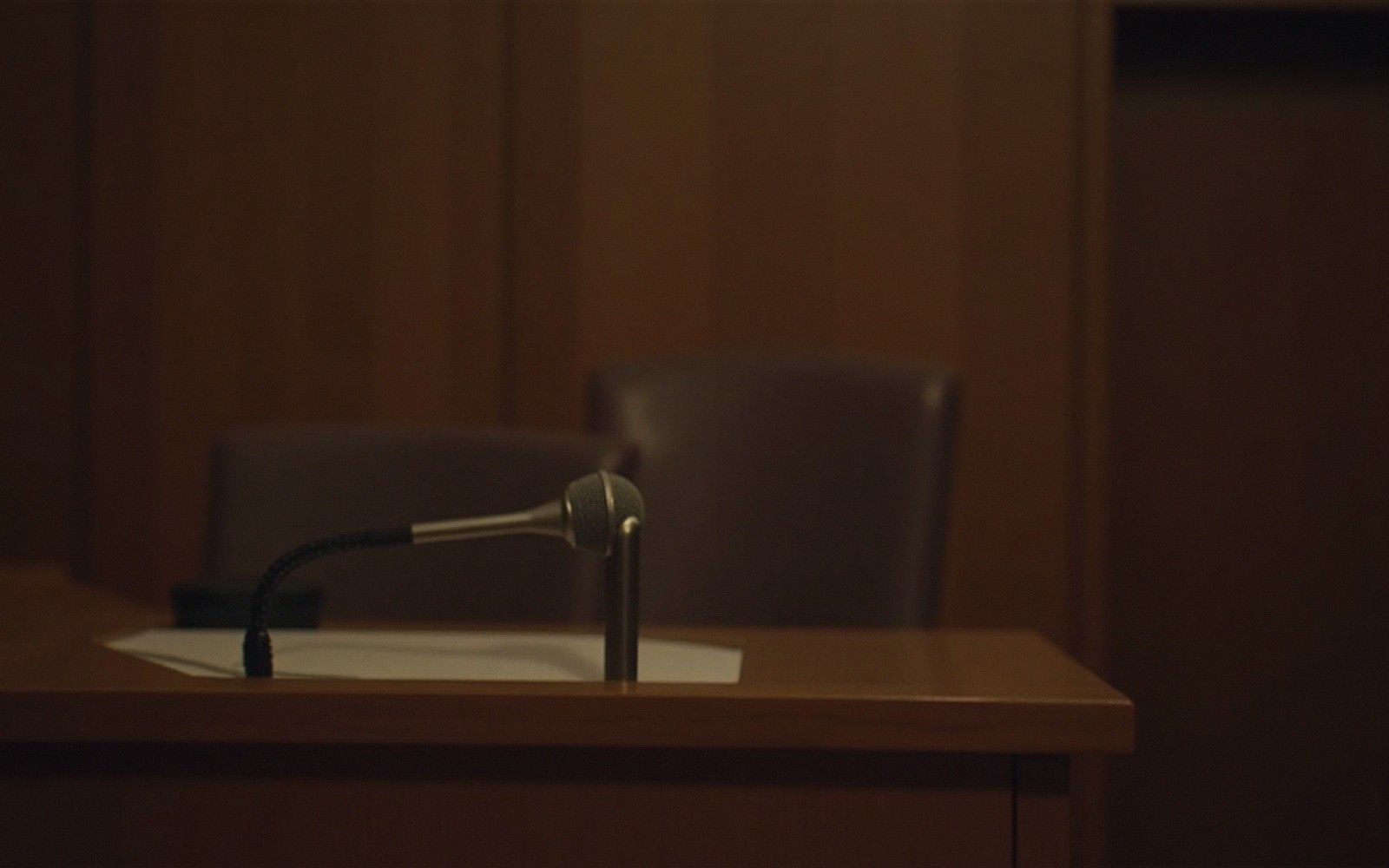
Once called, you walk to the microphone at the witness table, state your name and where you're from, and then you have roughly two minutes. That's not a suggestion — chairs enforce time limits when testimony runs long, especially on contested bills with dozens of people signed up. Two minutes is about 250–300 spoken words. It sounds brief, and it is.
The discipline that time limit demands is actually a gift to anyone who prepares. Lead with your most important point. Identify yourself and your connection to the issue in one sentence, then make your case clearly and concretely. Personal experience — how a proposed law would affect your farm, your school, your business, your family — lands differently than abstract argument, and committees hear plenty of abstract argument. A Latah County farmer explaining exactly how a water-rule change would affect a specific irrigation season is more memorable than a general statement about rural livelihoods.
End with a clear ask: support the bill, oppose it, amend a specific section. Committees appreciate knowing exactly where you stand. Then step back from the microphone and let the next person speak.
What Actually Lands
Legislators on committees have read the bill, heard from lobbyists and agency staff, and will hear from multiple testifiers. What moves the needle is information they don't already have — local data, a constituency voice they haven't heard from, or a concrete unintended consequence. Repetition doesn't help; if a dozen people before you have already made your point, acknowledge it briefly and add something new, or simply state your agreement and sit down. Brevity and respect for the committee's time builds credibility.
Written testimony matters too. If you can't attend in person, a concise letter submitted to the committee clerk before the hearing enters the record and can be referenced during deliberation. Committee members do read written submissions — sometimes more carefully than a packed room allows in real time.
One practical note: what happens in committee determines whether most bills advance at all, which means the audience for your testimony is often a small group of legislators with significant gate-keeping power. Speaking directly to that reality — addressing concerns specific committee members have raised publicly — is far more effective than a speech written for a general audience.
Testifying won't guarantee an outcome. Bills die, pass, and get amended for reasons that go well beyond any single testimony. But showing up puts a real constituent on the record, and in a part-time legislature where many members represent enormous rural districts, a constituent voice from back home carries weight that a lobbyist's memo sometimes cannot.