A part-time body with full-time consequences
Idaho's legislature is the branch of state government closest to everyday life — it writes the budget, sets the tax code, and shapes everything from education policy to water law. Yet it does all of this as a part-time body that typically meets for only a few months each year, driven largely by citizen legislators who hold other jobs back home.
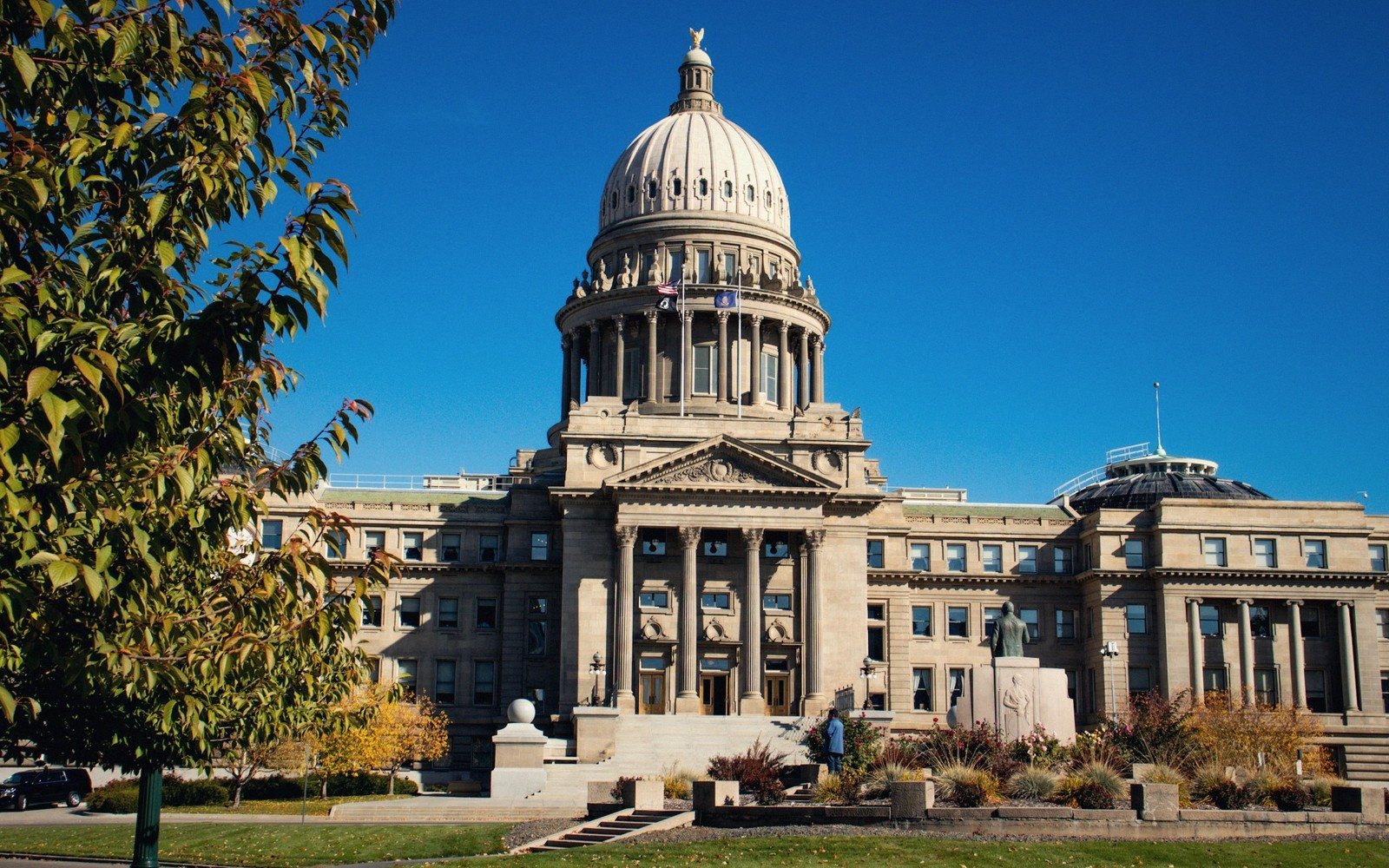
The Legislature divides into two chambers: the Idaho House of Representatives, with 70 members, and the Idaho Senate, with 35 members. Together they form the Idaho Legislature, which convenes in Boise at the State Capitol. Members of the House serve two-year terms; senators also serve two-year terms, and all 35 senators and all 70 representatives are elected every two years. Both chambers are elected from the same 35 legislative districts drawn across the state, each district sending one senator and two representatives to Boise.
The session: when and how it runs
The Legislature convenes annually, typically on the Monday closest to January 9, as required by the Idaho Constitution. Sessions are not fixed in length — the body meets until its work is done and then adjourns. In practice, sessions generally run from roughly eight to fourteen weeks, though complex budget years or contested legislation can stretch them longer. During session, legislators are compensated with a daily per diem in addition to a base salary, which keeps costs modest and reinforces the part-time character of the office.
Leadership shapes the chamber's agenda. The House is led by a Speaker of the House, elected by House members at the start of each session; the Senate is presided over by the Lieutenant Governor, who serves as its constitutional president but votes only to break ties. Day-to-day Senate business is managed by a President Pro Tempore chosen by senators themselves. Majority and minority leaders, plus their respective whips, round out the leadership structure in each chamber.
The real engine of the Legislature is its committee system. Bills are introduced, assigned to a standing committee, and most often live or die there — long before the full chamber ever takes a vote. Committee chairs hold enormous influence: they decide whether to hold a hearing on a bill, how long testimony runs, and when a vote is called. Understanding what happens in a committee hearing is essential to understanding where Idaho policy is actually made.
Bills are introduced, assigned to a standing committee, and most often live or die there — long before the full chamber ever takes a vote.
Where power actually sits
Idaho's Legislature operates within a strongly Republican majority, a political reality that has shaped the chamber's composition for decades. Within that majority, tension sometimes runs between the House and Senate, which have distinct cultures and occasionally diverge on significant legislation — meaning a bill can pass one chamber and stall in the other. Reconciling those differences often falls to a conference committee, a temporary joint body of House and Senate members convened to negotiate a compromise text.
The Legislature's most consequential annual task is the state budget. The Joint Finance-Appropriations Committee, universally known as JFAC, is the joint House-Senate panel that sets spending levels across every state agency. JFAC meets daily during session, hearing requests from agencies and institutions, and its decisions function as a first draft of the budget that both full chambers must ultimately pass. No other legislative committee touches more Idahoans' lives more directly.
Legislators can also check the executive branch. How a bill becomes law in Idaho involves the Governor, who can sign legislation, let it become law without a signature, or veto it — but the Legislature can override a veto with a two-thirds majority in both chambers. The Legislature also confirms some executive appointments and can convene a special session if called by the Governor or by a supermajority of members themselves.
Citizens interact with the Legislature more directly than many realize. Committee hearings are open to the public; Idahoans can sign up to testify, submit written comments, or simply observe from the gallery. The Legislature's website publishes bill text, committee schedules and recorded votes, making it one of the more transparent windows into state government available to any resident. A part-time body meeting in a mid-sized capital city still holds the power to raise your taxes, change your school's funding, or reshape how the water under your land is managed — and it does so with the public invited to watch.